
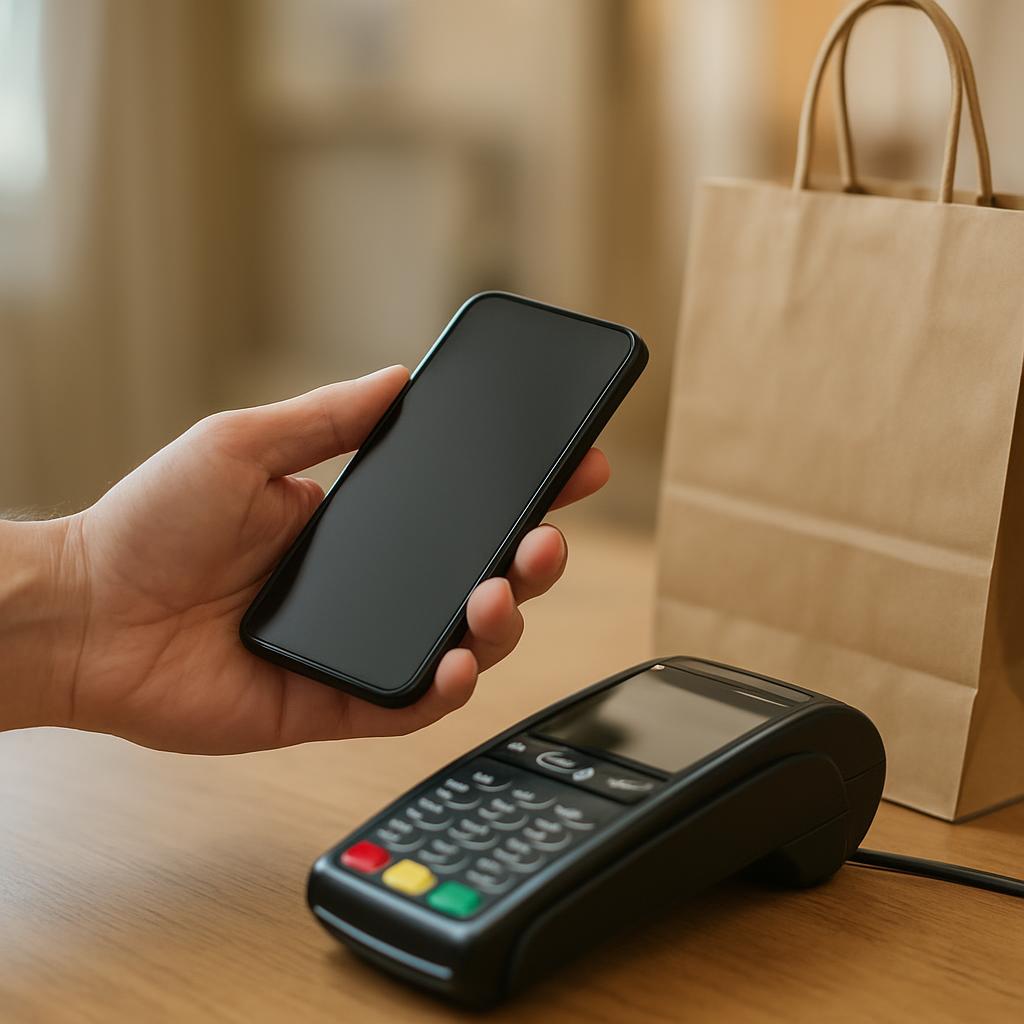
BNPL can affect your credit score, but only if the lender actually reports your account to one of the major credit bureaus, and many short-term "pay in four" plans still don't. Longer BNPL loans, especially larger ones used for furniture, electronics, or medical bills, are more likely to show up on a credit report. Whether BNPL helps, hurts, or does nothing to your score depends on the specific company, the type of plan, and how you pay.
Key takeaways
- Short-term pay-in-four BNPL plans often aren't reported to credit bureaus, so on-time payments may not help your score.
- Longer-term BNPL installment loans are more likely to be reported and can affect your score like any other loan.
- Missed or late BNPL payments can still hurt you, even on unreported plans, through collections or separate credit checks.
- Each BNPL provider sets its own rules on reporting, so check the lender's terms before assuming it will build credit.
- BNPL soft checks usually don't lower your score, but some larger plans use hard inquiries that can.
What is BNPL and how does it work?
BNPL, short for buy now, pay later, is a short-term loan that lets a shopper split a purchase into smaller payments, usually starting with one payment at checkout and the rest spread over weeks or months. It's offered by fintech companies and increasingly by banks and card networks, often built directly into a retailer's checkout page or a separate app.
The basic structure is simple: a customer picks BNPL at checkout, gets approved in seconds through a quick eligibility check, and then pays off the balance in a set number of installments, often four payments every two weeks for small purchases, or monthly payments over several months for larger ones. The merchant typically gets paid in full upfront by the BNPL company, which then collects the installments from the customer.
- The shopper selects a BNPL option at checkout, either online or in a store.
- The BNPL provider runs a quick approval check, usually a soft credit check for small purchases.
- The provider pays the merchant the full amount, minus a merchant fee.
- The shopper repays the provider in scheduled installments, often biweekly or monthly.
- The provider may or may not report each payment to a credit bureau, depending on its policies and loan size.
BNPL has grown fast because it's embedded right where people shop, including during holiday shopping season when retailers push flexible payment options hardest.
Does using BNPL show up on your credit report?
It depends entirely on the provider and the type of plan. Many short-term, four-payment BNPL plans are not reported to Equifax, Experian, or TransUnion at all, which means on-time payments typically won't raise your score and missed payments on that specific plan won't lower it either, at least not directly through the credit bureau system.
Longer BNPL loans, sometimes called "pay in 12" or "pay in 24" plans, behave more like traditional installment loans and are more commonly reported. These larger loans, often used for furniture, electronics, dental work, or other bigger-ticket purchases, carry real interest in many cases and are treated more like a personal loan on the back end.
The credit bureaus have also started building separate systems specifically for BNPL data, since this type of debt doesn't fit neatly into existing credit card or loan categories. That means even when a provider does report, how it shows up on your file, and whether every score model uses it, can vary.
Because reporting practices differ so much, the safest approach is to check the specific BNPL provider's terms or FAQ page before assuming a plan will help or hurt your credit.
How does a missed BNPL payment affect your credit score?
A missed payment can hurt your score if the provider reports to a credit bureau, and it can still hurt you financially even if it doesn't. For reported accounts, a late or missed payment works the same way it does for any loan: it gets flagged, and payment history is one of the biggest factors in most credit scoring models.
For unreported plans, a missed payment usually triggers late fees from the BNPL company first. If the debt goes unpaid long enough, many providers will send the account to a debt collector, and collection accounts are reported to credit bureaus, which can then damage your score even though the original BNPL loan never appeared on your file.
- Late fees: charged directly by the BNPL provider, often a flat dollar amount per missed installment.
- Account freeze: many apps block you from using BNPL again until the balance is paid.
- Collections referral: unpaid balances can be sent to a third-party collector after a set number of missed payments.
- Credit score damage: typically happens only if the original account or the resulting collection account is reported to a bureau.
This is why treating BNPL casually, as if it were separate from "real" credit, is risky. The money is still owed, and the consequences of not paying can eventually reach your credit file even on plans that never helped it in the first place.
Who is involved in reporting a BNPL loan?
Several players decide whether and how a BNPL loan reaches your credit file. The BNPL company itself makes the first call on whether to report at all, and if it does, it chooses which bureau or bureaus to send data to.
Behind the BNPL provider is often a partner bank that actually originates the loan, since many fintech BNPL companies work with a chartered bank to issue credit legally. The credit bureaus then decide how to categorize the incoming data, which has been a challenge since BNPL doesn't fit cleanly into existing categories like credit cards or auto loans. Finally, the scoring model providers decide whether to factor BNPL data into a score at all, and adoption has been gradual and uneven across different score versions.
| Party | Role in BNPL reporting |
|---|---|
| BNPL provider | Decides whether to report, and to which bureau |
| Partner bank | Often originates the actual loan behind the app |
| Credit bureau | Stores and categorizes the reported account |
| Scoring model | Decides whether and how to use BNPL data in your score |
What does BNPL cost, and what are typical limits?
Most short-term BNPL plans don't charge interest if payments are made on time, but late fees and, in some cases, interest on longer plans can add real cost. Merchants usually pay a fee to the BNPL provider for offering the option at checkout, similar to a card processing fee, which is part of why so many retailers promote it.
Limits and terms vary widely by provider and by the size of the purchase, and they can change as companies adjust their underwriting. The table below shows general ranges reported across the industry; always confirm current numbers directly with the provider you're using.
| Feature | Typical range |
|---|---|
| Number of installments | 4 payments (short-term) to 12–24 (longer-term loans) |
| Repayment period | 6 weeks (pay-in-four) up to 24 months (installment loans) |
| Interest | Often 0% for pay-in-four; 0%–30%+ APR on some longer loans |
| Late fee | A few dollars up to around $10–$40 per missed payment |
| Purchase limit | Roughly $50 to several thousand dollars, depending on provider |
Because these figures vary so much by company and by your own approval, treat them as a general guide rather than a guarantee of what any specific app will charge you.
What protections do you have if something goes wrong with BNPL?
BNPL purchases don't always carry the same dispute protections as a credit card. Credit cards are covered by strong federal dispute rights, so if an item never arrives or is defective, you can challenge the charge with your card issuer and get a provisional credit while it's investigated.
BNPL dispute processes are generally set by the individual provider's own policy rather than a uniform federal rule, so protections can be thinner and slower. Some BNPL companies do offer refund and dispute support similar to a card issuer, but it's not guaranteed across the industry, and it's worth reading the provider's refund policy before relying on BNPL for a purchase you might need to return or contest.
If a merchant refuses a return or a product is faulty, start by contacting the BNPL provider's customer service directly, since they control whether remaining installments are paused during a dispute. Keep records of the purchase, any communication with the merchant, and delivery confirmation, since you may need to provide evidence if the dispute escalates.
How does BNPL compare with credit cards for credit building?
Credit cards are far more consistently reported to credit bureaus than BNPL, making them a more reliable tool for building credit history over time. Nearly every major credit card issuer reports monthly to all three bureaus, so on-time payments and low balances reliably show up and can help a score over months and years.
BNPL, by contrast, is inconsistent. Some providers report nothing, some report only certain loan types, and some are just starting to send data to bureaus as the industry matures. That makes BNPL a weaker and less predictable tool for intentionally building credit, even though it can be a convenient way to spread out a purchase.
- Credit cards: broad bureau reporting, revolving balance, interest if unpaid, strong dispute rights under federal law.
- BNPL pay-in-four: often unreported, short repayment window, usually no interest if paid on time, weaker dispute protections.
- BNPL installment loans: more likely reported, longer repayment window, may carry interest, protections vary by provider.
For shoppers focused on credit score growth, a card with consistent on-time payments remains the more dependable path, while BNPL is better thought of as a budgeting tool for a specific purchase rather than a credit-building strategy.
Frequently asked questions
Can using too much BNPL hurt my chances of getting a mortgage or car loan?
It can, especially if the BNPL loan is reported and shows up as high debt relative to your income, or if a lender manually reviews your bank statements and sees frequent BNPL activity. Some mortgage lenders now ask directly about BNPL use because it affects how much debt you're carrying each month.
Will paying off BNPL early improve my credit score faster?
Only if the loan is being reported in the first place. If it is reported, paying it off as agreed is what helps your history, but paying early doesn't necessarily boost your score faster than simply paying on schedule.
Do all BNPL apps use the same credit bureaus?
No. Different providers choose to report to one, two, all three, or none of the major bureaus, and that choice can change over time as the industry standardizes reporting practices.
Is a BNPL credit check the same as applying for a credit card?
Usually not. Most small BNPL purchases use a soft credit check that doesn't affect your score, while larger installment loans may involve a hard inquiry similar to a traditional loan application.
Can I have multiple BNPL loans at once?
Yes, and many people do, since different providers don't always share real-time data with each other. This can make it easy to take on more BNPL debt than you realize, since no single company sees your full picture across apps.